


Thailand’s ambitious Ranong–Chumphon land bridge project has encountered a significant hurdle after the National Human Rights Commission (NHRC) urged a suspension, citing concerns over potential human rights violations, questionable economics, and insufficient public consultation.
At its meeting on Tuesday, August 26, the NHRC recommended that the government halt the project until thorough public hearings are conducted across the provinces affected.
Commissioner Wasan Phailikli noted that the commission had received numerous petitions from local farmer groups in Chumphon’s Lang Suan district, the Rak Patho conservation group, and concerned residents. Many claimed they had not been properly informed about the project, raising fears of land seizures, industrial estates, dams, and power plants.
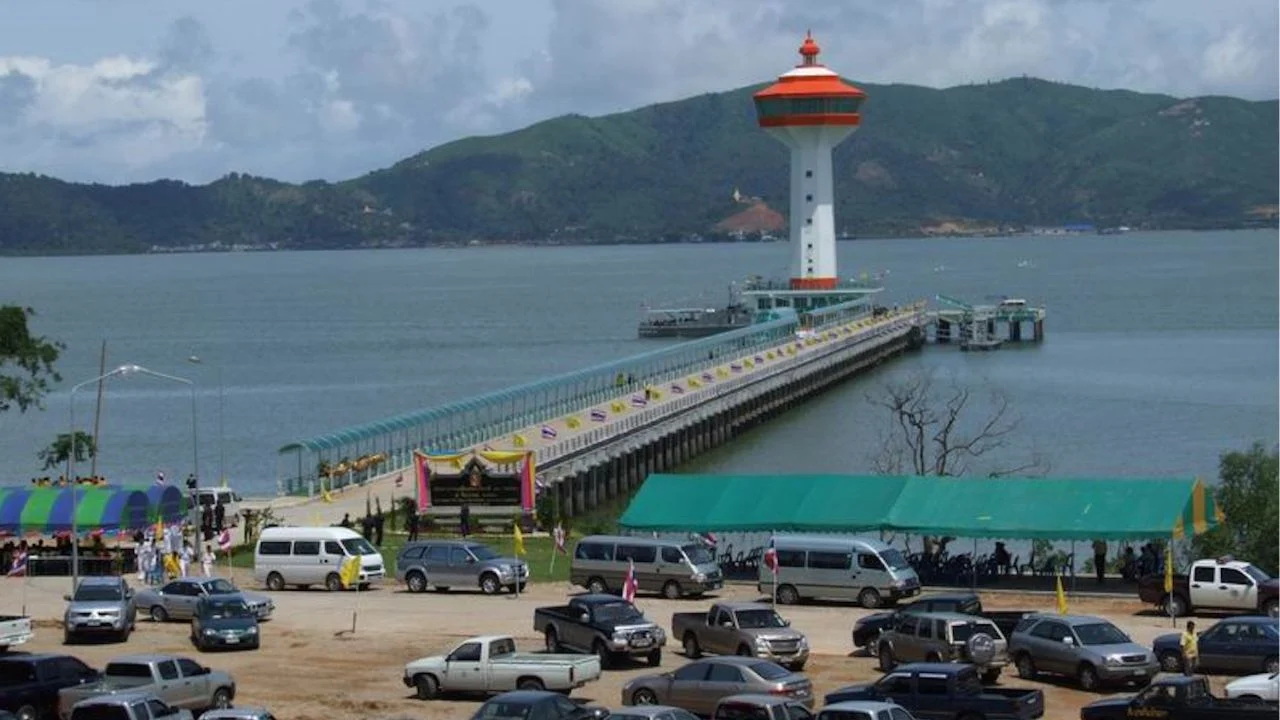
Originally approved under the Southern Economic Corridor (SEC) framework in 2018, the mega-project plans to link twin ports in Chumphon’s Laem Riw and Ranong’s Laem Ao Ang via expressways and double-track rail. The goal is to create a faster shipping route connecting the Gulf of Thailand and the Andaman Sea, bypassing the Strait of Malacca.

The NHRC also pointed out that studies indicate the project fails the economic test. Research by the National Economic and Social Development Council suggests the land bridge would not significantly reduce shipping times and might even be more expensive than existing routes via Singapore. The commission noted that the bridge would handle only 18% of trade under the SEC while demanding massive investment.
Beyond economic concerns, the NHRC highlighted serious environmental and human rights risks. Sensitive areas such as mangroves, wetlands, and national parks could be harmed, with the Andaman coast, a proposed UNESCO World Heritage site, identified as particularly at risk.
The livelihoods of small-scale farmers and traditional fishing communities, including indigenous sea gypsies, could also face severe disruption, the commission warned.
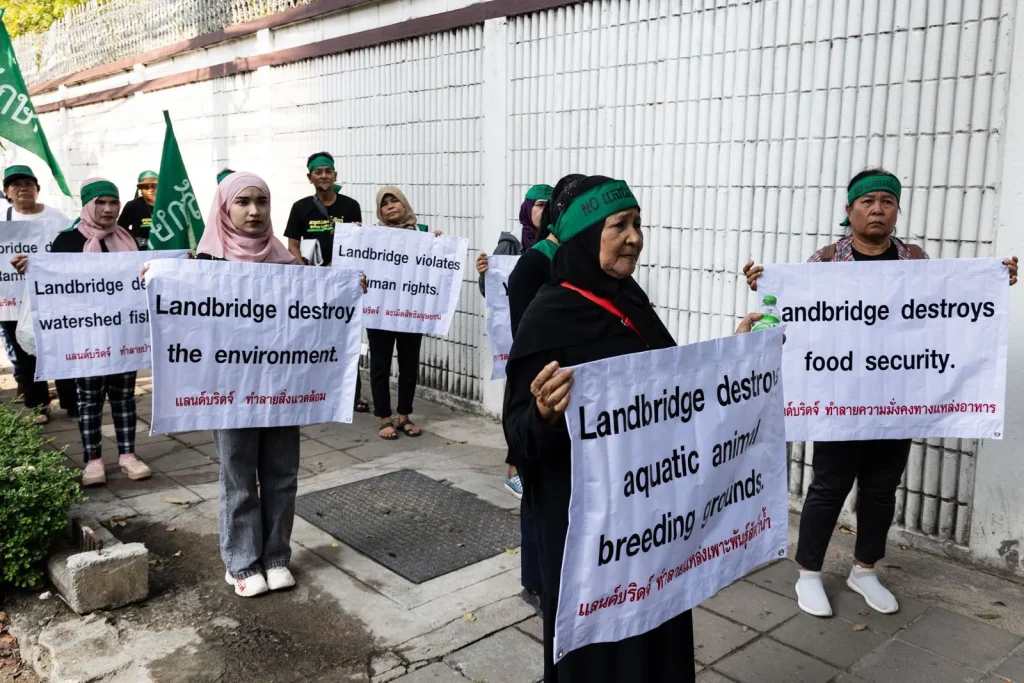
Regarding public participation, the NHRC noted that although more than 12 hearings had been conducted, they were fragmented, poorly coordinated, and failed to give residents a complete understanding of the project. Many people, especially ethnic minority communities on outlying islands, were excluded, and the sessions tended to focus on mitigation rather than allowing locals to reject or reshape the plan, according to Bangkok Post.
“This falls short of meaningful participation as guaranteed by the Constitution and international treaties,” the commission said.
The NHRC has recommended that the Office of Transport and Traffic Policy, the State Railway of Thailand, and the Department of Highways conduct a fresh, comprehensive round of consultations before proceeding. Until then, the commission insists, the land bridge should remain on hold.