

Introduction: The Cultural Heart of Northern Thailand
Chiang Mai represents the perfect harmony of ancient traditions and modern comforts—centuries-old temples stand against a backdrop of lush mountains, vibrant night markets buzz with energy beside tranquil meditation centers, and the scent of northern Thai spices permeates the air in a city that moves at a more relaxed pace than its southern counterparts. As Thailand’s cultural capital, Chiang Mai offers an immersive experience that connects visitors with authentic Thai traditions while providing all the amenities of a modern destination .
Nestled in the mountainous region of Northern Thailand, Chiang Mai has evolved from its 13th-century origins as the capital of the Lanna Kingdom to become a hub for digital nomads, culture enthusiasts, and adventure seekers alike. The city’s historic center is still enclosed by protective walls and a moat, creating a distinctive old-world atmosphere that contrasts with the trendy Nimmanhaemin area just outside, known for its contemporary cafes, boutiques, and artistic community .
This comprehensive guide combines practical information with insider knowledge to help you navigate this captivating city like a seasoned traveler, ensuring you discover both iconic landmarks and hidden gems that make Chiang Mai truly unforgettable.
1 Best Time to Visit Chiang Mai: Seasonal Considerations
Chiang Mai’s tropical climate means it’s generally warm throughout the year, but some seasons offer more comfortable exploration conditions than others:
– Cool Season (November-February): Temperatures range from 15°C to 30°C (59°F to 86°F), with lower humidity and minimal rainfall. This is considered the prime tourist season for optimal comfort. The famous Loy Krathong and Yi Peng festivals occur in November, when thousands of lanterns illuminate the night sky—a truly magical experience. Book accommodations well in advance as prices peak during this period .
– Hot Season (March-June): Prepare for intense heat with temperatures frequently exceeding 35°C (95°F). The Songkran Festival (Thai New Year water celebrations) occurs in mid-April, offering a uniquely Thai experience if you don’t mind getting soaked. This period also coincides with the burning season (February-April) when agricultural fires can create significant air pollution, so those with respiratory issues should take precautions .
– Rainy Season (July-October): Characterized by daily downpours that typically last a few hours rather than all day. The advantage? Fewer tourists, lush greenery, and lower prices. The rain often provides relief from the heat, and you can plan your days around the showers. This is an excellent time for visiting waterfalls and experiencing the countryside at its most vibrant .
Table: Chiang Mai Monthly Weather Overview
| Month | Average Temperature (°C) | Rainfall (mm) | Recommendation |
|———–|——————————|——————-|——————-|
| January | 15-29 | 7 | Best time to visit |
| February | 16-32 | 11 | Good time to visit |
| March | 19-34 | 22 | Hot, burning season begins |
| April | 23-36 | 67 | Hot, Songkran Festival |
| May | 24-34 | 162 | Beginning of rainy season |
| June | 24-32 | 132 | Mixed weather |
| July | 24-31 | 160 | Rainy season |
| August | 24-31 | 236 | Rainy season |
| September | 23-31 | 228 | Peak rainfall |
| October | 22-31 | 122 | End of rainy season |
| November | 19-29 | 54 | Start of best season |
| December | 15-28 | 20 | Best time to visit |
2 Where to Stay: Chiang Mai’s Best Accommodations
Chiang Mai offers an incredible range of accommodations, from hostels to ultra-luxurious properties. Here are the top categories and recommendations by neighborhood:
🏨 Luxury Hotels
– 137 Pillars House: This award-winning boutique hotel features 30 luxurious suites with personal butler service and Victorian-style bathrooms. The property is set in a beautifully restored teak homestead from the late 1800s, combining historical charm with modern luxury. Located in the Wat Ket area near the Ping River .
– Shangri-La Chiang Mai: This large hotel boasts the biggest pool in the city along with 277 guest rooms designed in a modern Northern Thai style. Ideal for families with extensive child-friendly amenities including cartoon bedding, kids’ club, and supervised activities. Located in the heart of Chiang Mai with easy access to the Night Bazaar and Old City .
– Anantara Chiang Mai Resort: Set in the former British Consulate building, this riverfront property features 109 rooms, suites, and serviced suites. Highlights include a stunning pool backing onto the Mae Ping River, a boat for sightseeing cruises, and a focus on wellness with spa treatments and holistic classes .
💎 Boutique & Design Hotels
– Villa Sirilanna Hotel: Located in the heart of the Old City, this stunning boutique hotel captures the essence of Northern Thai culture with traditional decor and wood-carved furnishings. The spacious rooms feature private jacuzzis and balconies, and the property includes a beautiful pool area. Within walking distance of temples, restaurants, and markets .
– Na Nirand Resort: Steeped in history, this romantic property features a giant 100-year-old rain tree at its center and blends Western and Thai architectural influences. The 45 rooms feature traditional Northern Thai design, and the property includes a restaurant and rooftop wine bar with river views .
– U Nimman Chiang Mai: A true 5-star property in the trendy Nimman area, featuring a rooftop pool and bar with incredible city views. The service is exceptional, with breakfast available until 10pm in your room—perfect for those adjusting to time zones. Conveniently located near Maya Lifestyle Shopping Center and Think Park .
👨👩👧👦 Family-Friendly & Value Options
– Chiang Mai Marriott Hotel: Located near the Ping River and Night Bazaar, this property offers 383 spacious rooms and suites with modern amenities. Features include multiple dining options, a resort-style swimming pool, and the Quan Spa with traditional Thai therapies. Ideal for families with its convenient location and extensive facilities .
– Chala Number 6 Hotel: A charming boutique hotel tucked away in the heart of the Old City, blending modern comfort with traditional Thai design. Features a beautiful pool area that serves as a tranquil escape despite the central location. The staff are known for their helpful recommendations for local spots .
Table: Chiang Mai Hotel Comparison
| Hotel Name | Area | Price Range | Key Features |
|—————-|———-|—————-|——————|
| 137 Pillars House | Wat Ket | $$$$ | Historic luxury, butler service, Victorian bathrooms |
| Shangri-La Chiang Mai | Central | $$$$ | Largest pool, family-friendly, great location |
| Anantara Chiang Mai | Riverside | $$$$ | Riverfront, former British Consulate, wellness focus |
| Villa Sirilanna | Old City | $$ | Traditional design, jacuzzis, central location |
| Na Nirand Resort | Riverside | $$ | Historic property, 100-year-old rain tree, romantic |
| U Nimman | Nimman | $$ | Rooftop pool, trendy area, modern luxury |
| Chiang Mai Marriott | Night Bazaar | $$ | Multiple restaurants, resort pool, family-friendly |
| Chala Number 6 | Old City | $ | Boutique, pool, excellent location |
3 Unmissable Attractions: Things to Do in Chiang Mai
🏛️ Cultural & Historical Sites
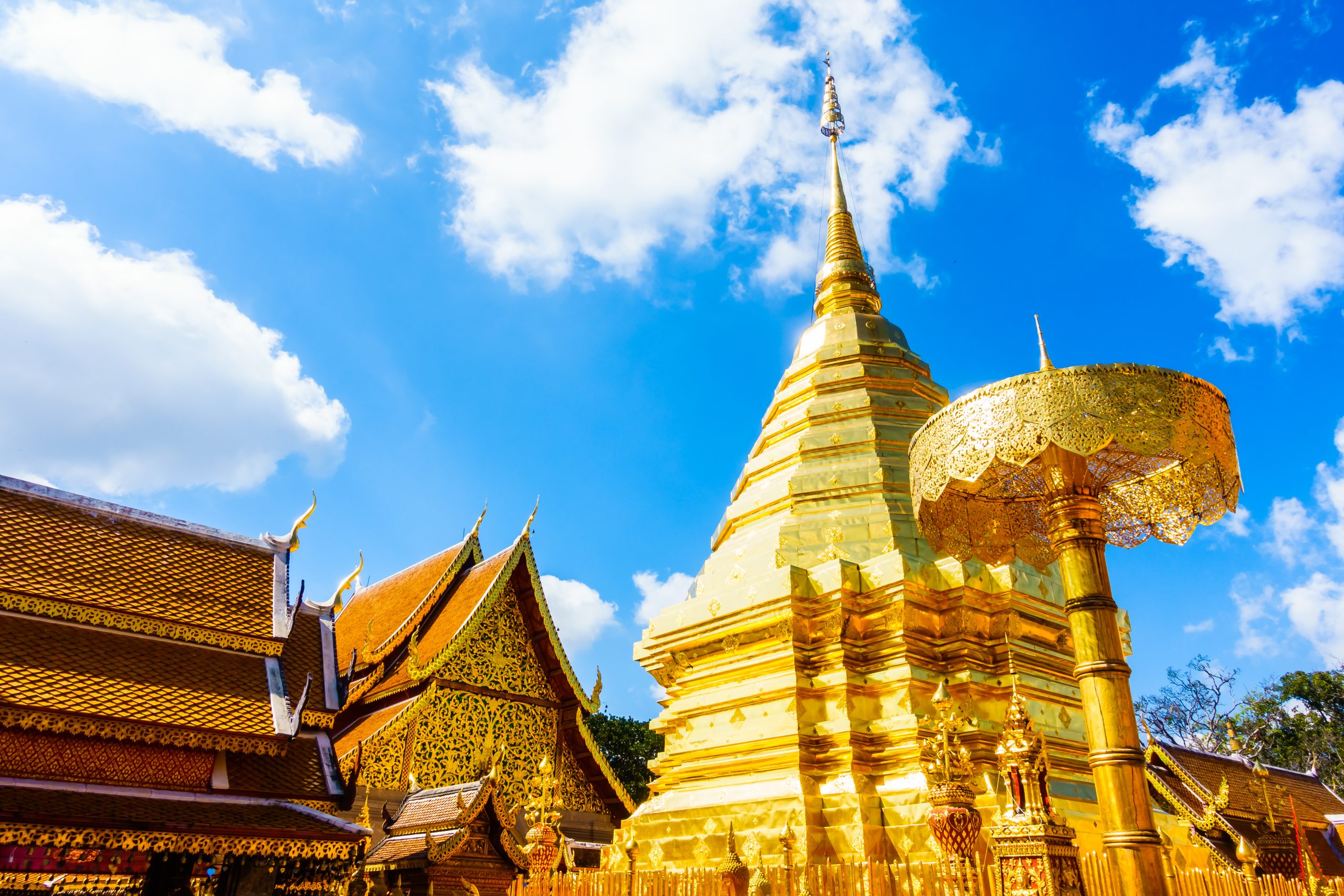
– Wat Phra That Doi Suthep: The most important temple in Chiang Mai, housing a Buddha relic and perched on a mountain overlooking the city. The temple dates back to 1383 and features a magnificent golden chedi. Visitors can climb the 306-step naga-flanked staircase or take a cable car. For a unique experience, visit at sunrise to avoid crowds and potentially witness morning prayers .
– Wat Chedi Luang: Located in the Old City, this temple features one of the tallest structures in historic Chiang Mai. The massive brick chedi ruins date back to 1441 and feature remaining elephant statues. The temple is also known for hosting daily “monk chats” where visitors can interact with Buddhist monks .
– Wat Phra Singh: Another of Chiang Mai’s most popular temples, famous for its Lion Buddha image and beautiful golden chedis. Located within the Old City walls, this temple represents classic Lanna architecture and is often busy with both worshippers and tourists .
– Sanctuary of Truth (Prasat Sut Jaum): While technically in Pattaya, this breathtaking fully wooden temple is entirely hand-carved from teak without metal nails. Construction began in 1981 and continues to this day, representing philosophical themes and ancient Buddhist and Hindu teachings through intricate carvings .
🌳 Natural Wonders & Outdoor Activities
– Doi Inthanon National Park: Home to Thailand’s highest peak at 2,565 meters (8,415 feet), this national park offers breathtaking waterfalls, hiking trails, and opportunities to visit hill tribe villages. The park is located about 70 kilometers from Chiang Mai and requires private transportation or a guided tour to visit .
– Sticky Waterfalls (Bua Thong): These unique multi-tiered waterfalls feature limestone and mineral deposits that create a rough, grippy surface allowing visitors to climb without slipping. Located about 90 minutes from the city, the waterfalls are less crowded than other attractions and offer a refreshing natural experience. Entry is currently free .
– Monk’s Trail to Wat Pha Lat: This scenic hiking path begins near Chiang Mai University and winds through the forest to Wat Pha Lat, a serene “jungle temple” nestled in the hills of Doi Suthep. The hike takes about 30-45 minutes and offers a peaceful alternative to the more crowded main temples .
🎭 Cultural Experiences
– Elephant Sanctuaries: Chiang Mai offers several ethical elephant experiences where visitors can observe and interact with rescued elephants in responsible settings. Recommended sanctuaries include Elephant Nature Park (which offers half, full, and overnight tours) and Journey to Freedom, which provides more intimate wilderness experiences with jungle treks .
– Cooking Classes: Chiang Mai is a foodie paradise and numerous cooking schools offer classes where visitors can learn to prepare Northern Thai specialties. Recommended options include Grandma’s Cooking School (which includes photography of your experience) and Asia Scenic. Classes typically include market visits and preparation of multiple dishes .
– Meditation Retreats: For those seeking spiritual enrichment, Wat Suan Dok offers meditation retreats ranging from one-day sessions (free with donations appreciated) to multi-day programs. The temple also hosts regular “monk chats” where visitors can learn about Buddhism and monastic life .
🛍️ Markets & Shopping
– Sunday Walking Street Market: This weekly market takes over Ratchadamnoen Road in the Old City every Sunday evening, featuring hundreds of vendors selling handicrafts, clothing, artwork, and countless food stalls. The atmosphere is vibrant and distinctly Thai, with street performers adding to the festive environment .
– Night Bazaar: Located on Chang Khlan Road, this daily market offers everything from souvenirs and clothing to massage services and food. While more tourist-oriented than other markets, it’s a fun experience with plenty of opportunities for bargaining and people-watching .
– Warorot Market: For a more local market experience, this traditional market near the Ping River offers textiles, spices, food items, and everyday goods at prices geared toward residents rather than tourists. The surrounding area features numerous food stalls and smaller markets worth exploring .
4 Chiang Mai Dining Guide: From Street Food to Fine Dining
🍜 Northern Thai Specialties
Chiang Mai is renowned for its distinctive Northern Thai cuisine (Lanna food), which differs significantly from other regional Thai cuisines:
– Khao Soi: This iconic curried noodle soup features egg noodles in a coconut milk curry broth, topped with crispy fried noodles. For an authentic experience, visit Khao Soi Khun Yai, known for its flavorful, not-too-sweet version .
– Sai Oua: Northern Thai herb sausage made with ground pork mixed with turmeric, lemongrass, galangal, and other aromatic herbs and spices. Typically grilled and served with sticky rice and fresh vegetables .
– Nam Prik Noom: A green chili dip made from roasted green chilies, garlic, and shallots, typically served with fresh vegetables, pork rinds, and sticky rice .
🏆 Recommended Restaurants
– Tong Tem Toh: Excellent for authentic Northern Thai cuisine including grilled intestines, pork curry, tamarind leaf salad, and various Northern-style sausages. Popular with both locals and tourists, so be prepared for possible waits during peak times .
– Khao Soi Khun Yai: A small, open-air restaurant serving what many consider the best khao soi in Chiang Mai. The curry is packed with spices, not too sweet, and extremely flavorful. Go early as they often sell out .
– Khao Kha Moo Chang Phueak: Famous for its Thai-style stewed pork leg served over rice. Look for the vendor with a cowboy hat serving from a giant pan of bubbling pork. Located near the North Gate of the Old City .
– SP Chicken: Specializes in Isan-style rotisserie chicken that’s juicy and flavorful to the bone. Also offers excellent som tam (papaya salad) and other Northeastern Thai dishes. Located in the Old City .
– Coconut Shell: A budget-friendly option in the Old City serving authentic Thai dishes at reasonable prices. Offers cooking classes in addition to their restaurant service. Popular with both locals and tourists .
☕ Coffee Culture
Chiang Mai has developed an exceptional coffee scene with numerous specialty cafes:
– Roast8ry: Known for its award-winning coffee and latte art. Has two locations—the Flagship Store and the Lab—both offering high-quality brews in stylish settings .
– Akha Ama: Socially conscious cafe that sources beans directly from hill tribe farmers. Offers excellent coffee while supporting local communities .
– Brewginning: Minimalist cafe known for its delicious coffee, relaxed atmosphere, and live music events. Opposite a famous “basket shop” that has become a popular Instagram spot .
Table: Chiang Mai Restaurant Guide
| Restaurant | Cuisine | Price Range | Highlights |
|—————-|————|—————-|—————-|
| Tong Tem Toh | Northern Thai | $$ | Grilled intestines, pork curry, tamarind leaf salad |
| Khao Soi Khun Yai | Northern Thai | $ | Considered best khao soi in Chiang Mai |
| Khao Kha Moo Chang Phueak | Thai | $ | Famous pork leg rice, cowboy hat vendor |
| SP Chicken | Isan/Thai | $ | Excellent rotisserie chicken, som tam |
| Coconut Shell | Thai | $ | Budget-friendly, cooking classes available |
| Dash Teak House | Northern Thai | $$ | Garden setting, Northern Thai platter |
| Kat’s Kitchen | Thai | $ | Popular, always busy, great khao soi |
| Mix Restaurant & Bar | International | $$$ | Steakhouse, choose your own cut |
5 Navigating Chiang Mai: Transportation Guide
Chiang Mai offers various transportation options to suit different needs and budgets:
🚗 Local Transportation
– Songthaews (Red Trucks): These converted pickup trucks with two rows of seats are Chiang Mai’s most common form of public transport. To use them, simply wave one down and tell the driver your destination. If it’s along their route, you’ll pay about 30 baht for a shared ride. You can also charter them for private trips at higher rates .
– Tuk-Tuks: These three-wheeled vehicles are more expensive than songthaews but offer private transport. Negotiate fares before boarding (typically 60-150 baht depending on distance). Some drivers may try to steer tourists toward commission-paying shops, so be firm about your destination .
– Ride-Hailing Apps: Grab and Bolt are widely used in Chiang Mai and often more convenient than street taxis. They provide fixed pricing without negotiation. Grab even offers the option to book songthaews (Grab RodDaeng) in addition to regular cars .
– Bicycles: Chiang Mai’s Old City is highly bike-friendly, with numerous rental shops offering bikes for about 50 baht per day. Cycling allows you to explore at your own pace and easily stop at temples, cafes, and shops. Some hotels and guesthouses offer free bicycle use for guests .
🛵 Rental Options
– Motorbike/Scooter Rental: Renting a motorbike (typically 150-200 baht/day) offers the ultimate freedom to explore Chiang Mai and surrounding areas at your own pace. However, be aware that you technically need a Thai or international motorcycle license, and police frequently check and fine riders without proper documentation .
– Car Rental: For families or groups wanting to explore further afield, car rental starts from about 800-1,000 baht per day for a sedan. This is convenient for day trips to national parks, waterfalls, and other attractions outside the city .
🚌 Intercity Travel
– From Bangkok: Options include flying (about 1 hour), taking an overnight train (approximately 13 hours), or using bus services. The train journey offers a scenic and memorable experience, while flying is the quickest option .
Table: Chiang Mai Transportation Options
| Transport Mode | Best For | Price Range | Tips |
|——————-|————-|—————-|———-|
| Songthaew (Red Truck) | Cheap local travel | 30-150 THB | Shared rides on fixed routes, can be chartered |
| Tuk-Tuk | Short private rides | 60-150 THB | Negotiate price before riding |
| Grab/Bolt | Convenience, fixed pricing | Varies by distance | App-based, no negotiation needed |
| Bicycle | Exploring Old City | 50 THB/day | Perfect for temple hopping |
| Motorbike Rental | Freedom, exploring outskirts | 150-200 THB/day | Need proper license, helmet required |
| Car Rental | Families/groups, day trips | 800-1000 THB/day | Good for visiting national parks |
6 Essential Tips & Tricks for Chiang Mai Visitors
💡 Cultural Etiquette & Practical Advice
– Temple Dress Code: When visiting temples, ensure your shoulders and knees are covered. Many temples provide rental garments if needed, but it’s better to come prepared. Always remove your shoes before entering temple buildings .
– Feet Etiquette: Avoid pointing your feet at people or religious images as Thais consider the feet the lowest and dirtiest part of the body.
– Royal Family Respect: Never speak disrespectfully about the Thai royal family—it’s not just rude but illegal.
– Monk Interactions: Women should never touch monks or directly hand them anything. If making a donation, place it on the table or cloth provided rather than handing it directly .
💰 Money-Saving Tips
– Eat Local: Street food and local restaurants offer delicious meals for a fraction of tourist restaurant prices. Look where locals eat for the best value—meals at food courts and market stalls can cost as little as 50-60 baht .
– Use Public Transport: Songthaews are the cheapest option for getting around at just 30 baht for shared rides along their routes .
– Free Attractions: Many temples have no entrance fee, and simply wandering through neighborhoods like the Old City, along the river, or through markets provides fantastic free experiences.
🧳 Packing Essentials
– Lightweight Clothing with Coverage: Bring breathable fabrics that cover shoulders and knees for temple visits. A light scarf or sarong is useful for quickly covering up when needed .
– Comfortable Shoes: You’ll be doing plenty of walking and removing shoes frequently at temples—ensure footwear is comfortable and easy to slip on and off.
– Reusable Water Bottle: Stay hydrated while reducing plastic waste. Many accommodations and public places have refill stations .
– Mosquito Repellent: Especially important during rainy season and for visits to natural areas .
7 Sample 4-Day Chiang Mai Itinerary
📅 Day 1: Historic Chiang Mai
Morning: Explore the Old City temples—start early at Wat Chedi Luang, then visit Wat Phra Singh and Wat Chiang Man. Remember to dress appropriately.
Afternoon: Enjoy lunch at a local restaurant like Khao Soi Khun Yai. Visit additional temples like Wat Phan Tao or explore the small alleys discovering hidden cafes and shops.
Evening: Experience the Sunday Walking Street Market (if applicable) or visit the Night Bazaar. Enjoy dinner at a Northern Thai restaurant like Tong Tem Toh.
📅 Day 2: Mountains & Views
Morning: Head to Doi Suthep—either take a songthaew or hike the Monk’s Trail to Wat Pha Lat before continuing to the summit. Visit Wat Phra That Doi Suthep and enjoy panoramic views of the city.
Afternoon: Return to the city for lunch. Consider visiting the Chiang Mai Women Correctional Institution Vocational Training Center for a massage provided by female ex-prisoners learning reintegration skills .
Evening: Watch the sunset from Wat Phra That Doi Kham (Temple of the Golden Mountain) with its impressive 17-meter Buddha statue and panoramic views . Enjoy dinner at a restaurant with live music like North Gate Jazz Co-op .
📅 Day 3: Culture & Nature
Morning: Visit an ethical elephant sanctuary like Elephant Nature Park (requires advance booking). Alternatively, take a cooking class to learn Northern Thai cuisine.
Afternoon: Explore the Nimmanhaemin area with its trendy cafes, boutiques, and artistic vibe. Stop for coffee at Roast8ry or Brewginning .
Evening: Visit the Coconut Market if it’s Friday or the weekend . Alternatively, experience a traditional Khantoke dinner with cultural performances.
📅 Day 4: Day Trip or Special Interests
Option A: Visit Doi Inthanon National Park to see Thailand’s highest peak, stunning waterfalls, and hill tribe villages. This requires a full day and either a guided tour or private transportation .
Option B: Explore the Sticky Waterfalls (Bua Thong), where you can climb the unique mineral deposits that provide grip. Combine with a visit to nearby caves or other natural attractions .
Option C: Focus on Chiang Mai’s creative side with visits to artisan villages, art galleries, and specialty workshops (umbrella making, silver work, etc.).
Conclusion: Embracing the Chiang Mai Experience
Chiang Mai rewards those who approach it with curiosity and an open mind. Beyond the iconic temples and bustling markets, the city’s true magic reveals itself in unexpected moments—a shared smile with a street food vendor, the tranquil atmosphere of a hidden temple courtyard, or the breathtaking view from a mountain temple at sunrise.
Allow yourself to wander without fixed plans occasionally, knowing that some of Chiang Mai’s best experiences exist beyond guidebooks and itineraries. The city’s contrasts—ancient and modern, urban and natural, traditional and innovative—create a dynamic energy that captivates visitors and keeps them returning year after year.
Whether you’re seeking spiritual enrichment, cultural immersion, culinary adventures, or simply a relaxing escape amidst beautiful surroundings, Chiang Mai offers an experience that will leave you planning your return before you’ve even departed.
Frequently Asked Questions (FAQ)
Q: Is Chiang Mai safe for tourists?
A: Chiang Mai is generally very safe for tourists, with low violent crime rates. Exercise normal precautions against pickpocketing in crowded areas and be aware of common scams. When visiting natural areas, be cautious of wildlife and follow guide instructions .
Q: What’s the best area to stay in for first-time visitors?
A: The Old City is ideal for first-time visitors who want to be near major temples and historical sites. The Nimmanhaemin area is perfect for those who prefer a more modern, trendy neighborhood with cafes and boutiques. The Riverside offers a quieter atmosphere with luxury accommodations .
Q: Do I need to tip in Chiang Mai?
A: Tipping isn’t traditionally expected in Thailand but is appreciated for good service. In restaurants, 10% is generous if service charge isn’t included. For taxis, rounding up to the nearest 20 baht is common. For massage therapists, 50-100 baht is appropriate for a good treatment .
Q: Can I drink tap water in Chiang Mai?
A: It’s recommended to drink bottled or filtered water. Most hotels provide complimentary bottled water, and many restaurants use filtered water for cooking and ice .
Q: How do I avoid the burning season pollution?
A: The burning season (February-April) can create significant air pollution. Those with respiratory issues should consider visiting during other seasons, wear N95 masks when necessary, and choose accommodations with good air filtration systems .
Q: What’s the appropriate etiquette when interacting with monks?
A: Women should never touch monks or directly hand them anything. If making a donation, place it on the table or cloth provided rather than handing it directly. Dress modestly when in temples or speaking with monks .